

Who Owns Your Voice When AI Can Clone It?
Your voice used to have one fairly simple limitation. It needed you.
If someone wanted you to say something, you had to show up, stand in front of a microphone, and say it. AI has made that relationship a little more complicated.
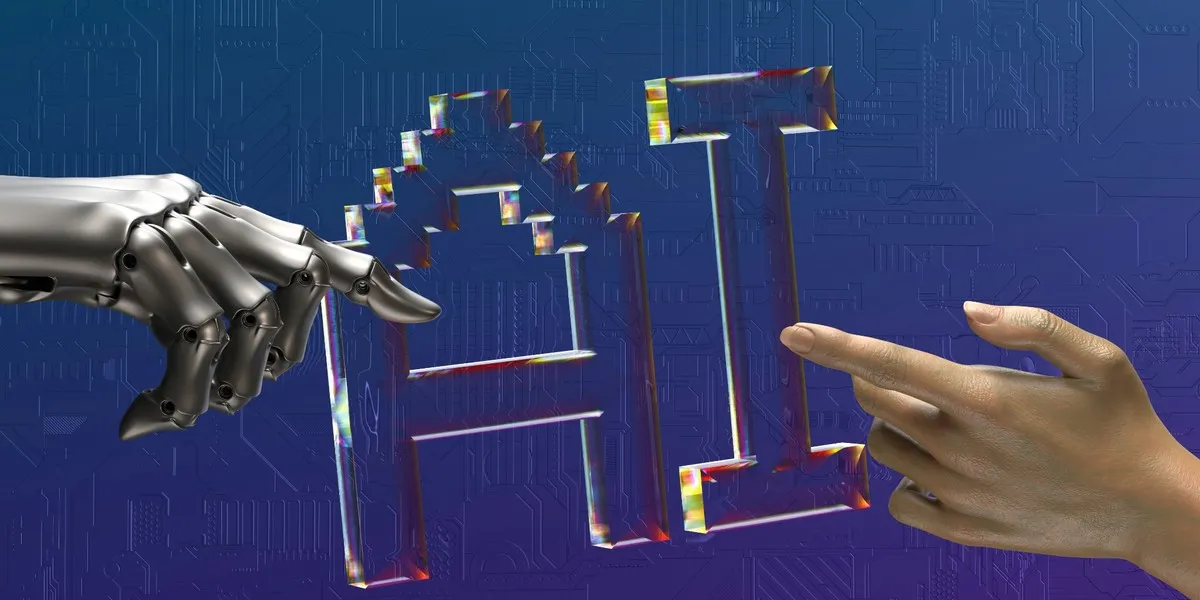
Today, a relatively small amount of recorded speech can be enough to create a synthetic version of a person's voice, one that can potentially say words they never recorded, perform new lines, and even speak languages they don't speak.
Convenient? Absolutely. Slightly terrifying when you think about it for more than five seconds? Also yes.
For voice actors, creators, brands, studios, and pretty much anyone whose voice is part of their work, this raises a question we didn't really need to ask before: If AI can reproduce your voice, who gets to decide what that voice says next?
Because once a voice can exist separately from the person it belongs to, we're no longer talking only about cool technology.
We're talking about consent, ownership, payment, identity and where exactly we draw the line between using someone's recording and using someone's voice.
1. Your Voice Is No Longer Just a Recording
For decades, using someone's voice was fairly straightforward. A voice actor entered a studio, recorded a performance, and that recording became part of a specific project. AI changes that equation.
A recording can now become something more than a finished piece of audio. With the right technology, it can become the material used to create a synthetic voice capable of generating entirely new speech. And that's where things get complicated.
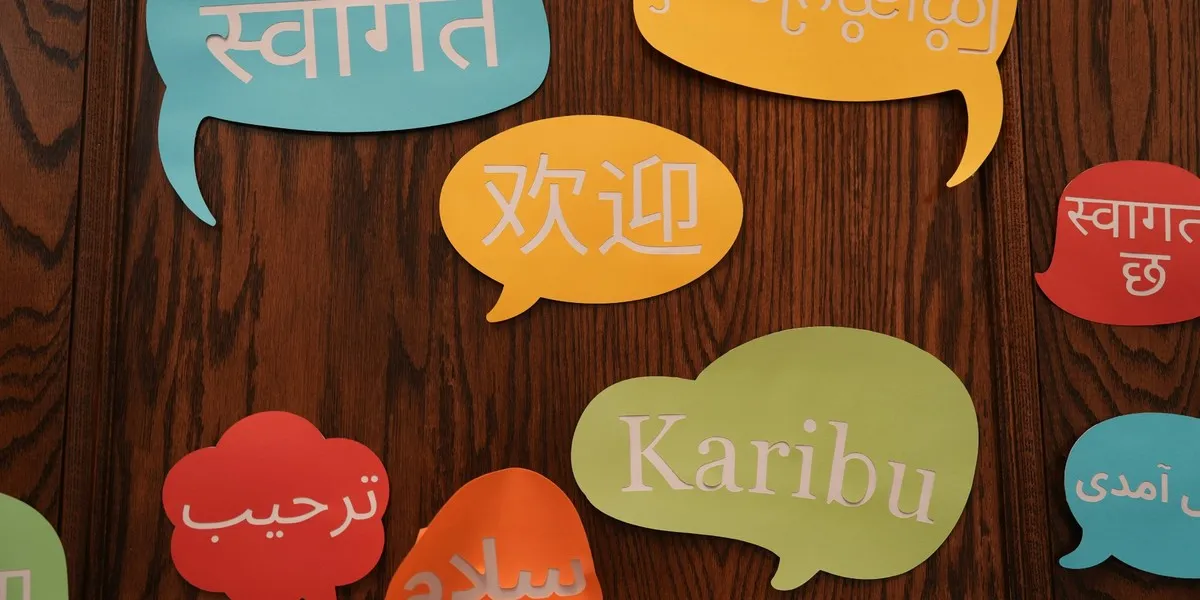
Imagine a voice actor records a character for a video game. Months later, the studio needs twenty additional lines. Technically, an AI model could generate them without bringing the actor back into the studio. Then the game gets localized. Could that same synthetic voice perform the character in Spanish? German? Japanese? Then comes the sequel.
Can the voice be used there too? Then, the important question isn't simply whether AI can recreate someone's voice. We already know that it can.
The question is what exactly did the person agree to? Recording ten lines for one project is very different from giving someone permission to create a digital version of your voice that could potentially produce thousands of lines later.
That distinction matters because a voice is deeply connected to identity. We recognize people by it. Actors build careers around it. Brands deliberately choose voices because of the personality and associations they bring.
When that voice becomes reproducible, the original recording may have an end date. The synthetic version doesn't necessarily have one.
And that makes consent far more complicated than simply saying, “Yes, you can use this recording.”
2. Protecting Your Voice in the Age of AI
Stopping voice cloning technology altogether probably isn't realistic. Making sure a voice can't be used however someone wants is a much more practical place to start.
And much of that begins before anyone presses a record. Voice actors and studios increasingly need to be clear about what is actually being licensed. Is the agreement for one recording? One campaign? One character? Can the recordings be used to train an AI model? Can a synthetic version generate new dialogue? Can it be used in another language? What happens when the original project ends?
Those details matter a lot. Consent also needs to be specific. Agreeing to record a commercial shouldn't become permission for your voice to appear in completely new content two years later. The same goes for compensation: if a synthetic voice continues producing new performances, the question of how the original performer is paid doesn't simply disappear because they aren't physically returning to the studio.
Technology can help too. Platforms and companies are developing ways to identify synthetic media, trace where content came from, and give performers more control over how digital replicas of their voices are created and used.
But perhaps the biggest protection is surprisingly untechnical: clear rules before the microphone is switched on. AI voice technology is moving quickly, while contracts, industry standards, and laws are still adapting to what it can do. So until everything catches up, one question should probably appear much more often in conversations between performers, studios, and clients: “What exactly are you allowed to do with my voice?”
Conclusion
A few years ago, protecting your voice mostly meant protecting the recordings you had already made. Today, we have to think about something much bigger: what can be created from those recordings afterward?
That's the real shift AI voice cloning has introduced.
The technology itself has enormous potential. A voice could travel across languages, help characters live beyond a single recording session, make content more accessible, and give studios entirely new ways to work. Used with the right agreements, it could become an incredibly useful part of the audio and localization industry.
But innovation shouldn't leave the person behind the voice somewhere in the fine print.
Voice actors need to know what they're agreeing to. Studios and clients need clear boundaries around training, reuse, new content, languages, and future projects. And if a synthetic voice keeps creating value, conversations around credit and compensation need to continue too.
Because we're reaching a point where recording a voice and replicating a voice are two very different things.
The technology will keep improving. Soon, detecting the difference between a recorded performance and a generated one may become even harder.
So perhaps the most important question won't be: “Can AI clone this voice?” It will be: “Do we have the right to use it?”
And that's a question the audio industry needs to answer before AI answers everything else.