



• Mo - So: 9-17 Uhr
  • info@tiktakaudio.com

Insights, Stories & Updates aus unserem Team

The Rise of Short-Form Video and Its Impact on Global Localization

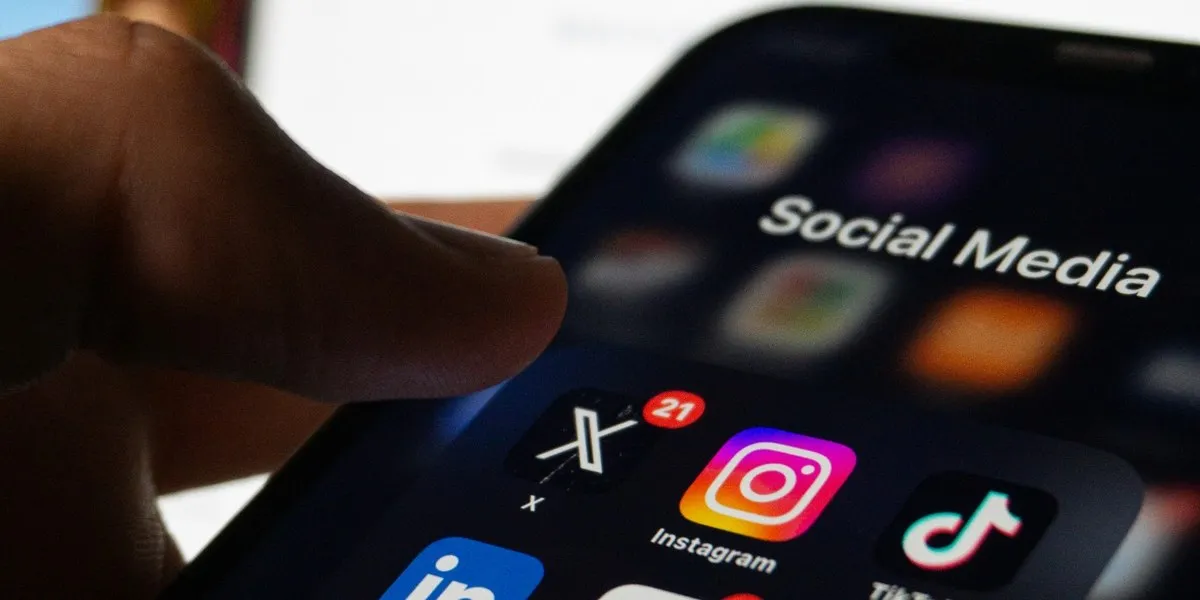
Short-form video has transformed the way global audiences consume content and it is reshaping localization in the process. In just a few seconds, subtitles, voiceovers, and cultural nuance must work harder than ever to capture attention. As brands compete in a scroll-first world, localization is no longer just about translation it is about making every second feel native, relevant, and impossible to ignore.

What Is Cognitive Dissonance and How Does It Affect Media Localization?

Why does a perfectly translated line sometimes feel “off”? Cognitive dissonance explains the mental friction we experience when what we see doesn’t match what we hear or expect. In media localization, this subtle clash can break immersion, affect emotional impact, and change how audiences perceive characters and stories. Discover how psychology shapes dubbing, subtitles, and global content and why “correct” isn’t always enough.

Warum wird nicht-englischer Content weltweit immer beliebter?

Noch vor nicht allzu langer Zeit haben die meisten Zuschauer nicht mal auf Play geklickt, wenn eine Serie nicht auf Englisch war. Fast forward ins Heute — koreanische Dramen, spanische Thriller und Nordic Noir dominieren die Screens und manchmal sogar die Gespräche an der Kaffeemaschine.

Media-Lokalisierungs-Trends 2026: Was die Branche beobachtet

Medien-Content erreicht globale Zielgruppen schneller als je zuvor. Streaming-Plattformen, Gaming-Firmen und digitale Creator veröffentlichen Content gleichzeitig in Dutzenden Märkten — Lokalisierung ist damit fester Bestandteil des Produktionsprozesses geworden. 2026 entwickelt sich die Branche rasant. Neue Technologien, geänderte Sehgewohnheiten und die wachsende Nachfrage nach mehrsprachigem Content prägen, wie Studios Dubbing, Untertitelung und Adaption angehen.

So perfektionierst du das Lip-Sync-Timing fürs Dubbing

Wenn du einen synchronisierten Film oder eine Serie schaust, denkst du wahrscheinlich nicht groß über die Stimmen nach. Ist das Dubbing gut gemacht, fühlt sich alles einfach natürlich an. Die Figur spricht, der Mund bewegt sich, die Worte passen. Aber wenn das Timing nur ein bisschen daneben liegt, fällt's sofort auf. Der Mund läuft weiter, nachdem die Zeile schon zu Ende ist. Oder die Stimme startet, bevor die Lippen sich öffnen. Und schon wirkt die ganze Szene komisch. Genau da kommt Lip Sync ins Spiel.