




• Mon - Sun: 9AM - 5PM
  • info@tiktakaudio.com

Insights, Stories & Updates from Our Team

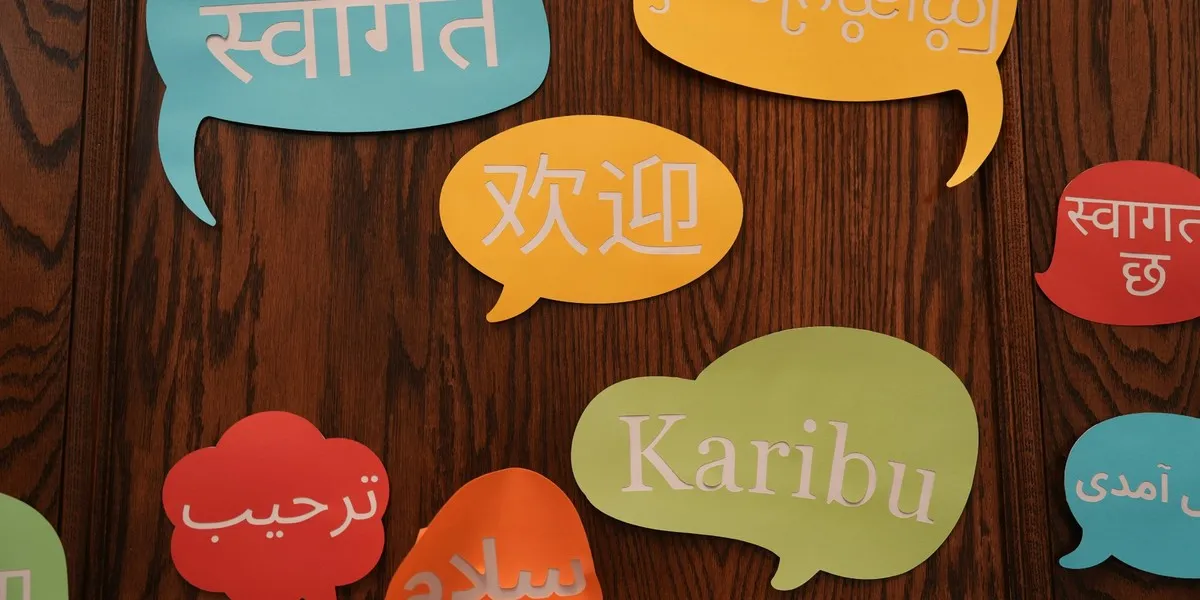
The Future of Localization: Embracing Audio-First Content

The future of localization is becoming audio-first, where voice is no longer just an add-on but the main way audiences experience content. From streaming platforms to short-form video, global audiences increasingly expect native, emotionally natural audio in their own language. This shift is powered by AI scalability, but refined by human expertise that ensures meaning, tone, and cultural depth are never lost.

How to Leverage AI Dubbing Without Losing Human Emotion

AI dubbing is transforming the way content travels across the world, making localization faster, cheaper, and more scalable than ever before. But while technology is evolving, one challenge remains: preserving human emotion. This article explores how AI and human expertise can work together to deliver dubbing that is not only efficient, but also culturally and emotionally authentic for global audiences.

Subtitles vs Dubbing: A Deep Dive into Audience Preferences

The way we consume content has changed dramatically. With streaming platforms making films, TV series, documentaries, and video content available from every corner of the world, audiences today have more choices than ever before. But alongside this explosion of global content comes an ongoing question that continues to divide viewers: subtitles or dubbing?

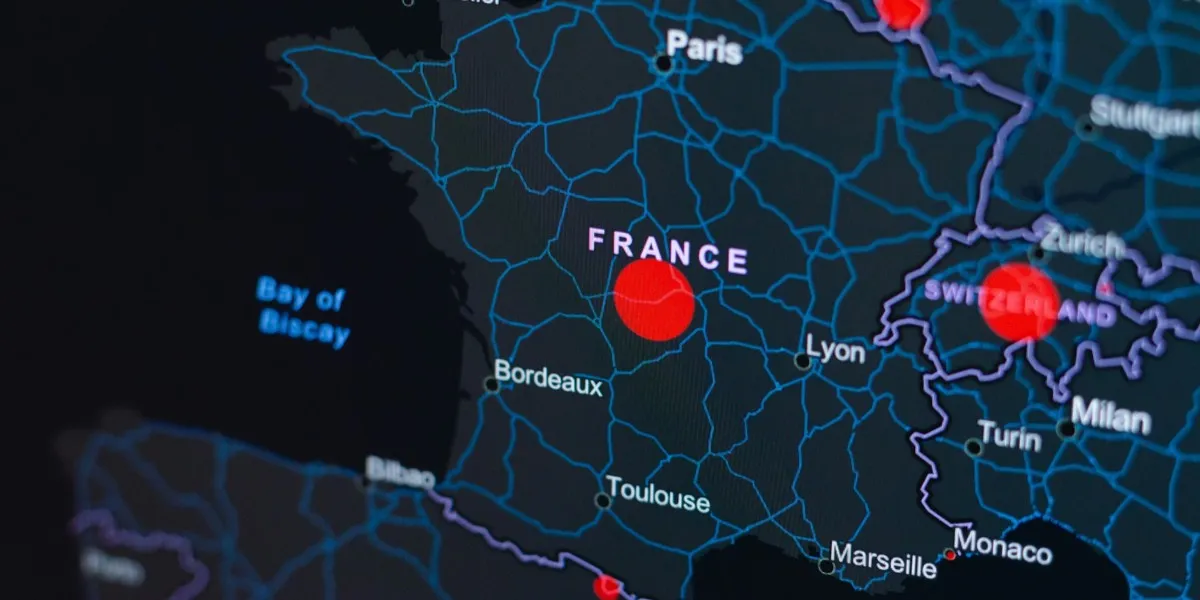
Localization in the Balkans: Bridging Cultural Gaps

The Balkans is one of Europe’s most complex regions for localization. Similar languages, different meanings, and deep cultural nuances translate alone not enough. This article explores how localization bridges cultural gaps and helps global content truly connect with Balkan audiences.

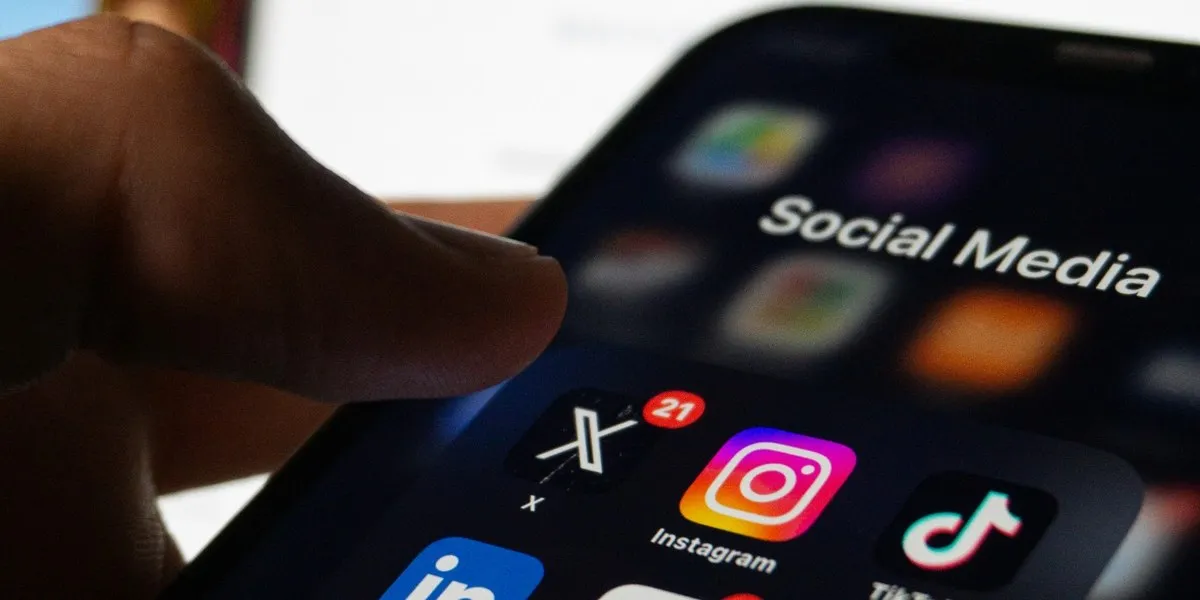
The Rise of Short-Form Video and Its Impact on Global Localization

Short-form video has transformed the way global audiences consume content and it is reshaping localization in the process. In just a few seconds, subtitles, voiceovers, and cultural nuance must work harder than ever to capture attention. As brands compete in a scroll-first world, localization is no longer just about translation it is about making every second feel native, relevant, and impossible to ignore.