




AI dubbing is changing the media localization industry fast.
AI dubbing is changing the media localization industry fast. It allows content to be translated and voiced into multiple languages in a matter of minutes, making global distribution faster and more affordable than ever before. Because of this, brands, streaming platforms, and creators are increasingly using AI to scale their content worldwide.
But while AI brings speed and efficiency, it often struggles with something essential: human emotion. Tone, timing, humor, and cultural meaning don’t always translate well when a voice is fully automated. As a result, dubbed content can sometimes feel flat or less authentic to local audiences.
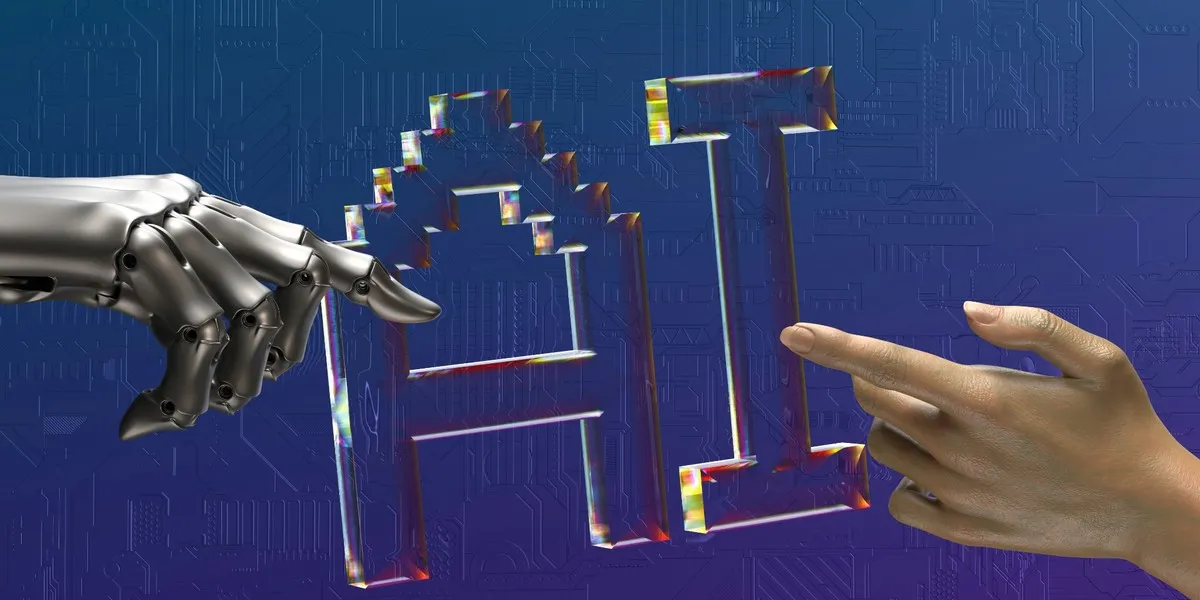
This is why the real opportunity is not choosing between AI and humans, but combining both. AI dubbing can handle scale and speed, while human experts ensure emotional accuracy and cultural relevance. Together, they create localization that is both efficient and truly engaging for global audiences.
The rise of AI dubbing everywhere
AI dubbing is rapidly becoming a standard tool in media localization, reshaping how content is adapted and delivered across global markets. Streaming platforms, digital creators, and media companies are increasingly using AI to speed up multilingual production and reach international audiences faster than ever before.
One of the biggest advantages is speed. Content that once took weeks to dub can now be localized in a fraction of the time, allowing for almost simultaneous global releases. Alongside this, AI also reduces production costs, making localization more accessible for smaller teams and independent creators.
It also brings a new level of scalability, especially in a world where content volumes are constantly growing. However, despite these benefits, early-stage AI dubbing still shows clear limitations when it comes to emotional nuance, tone accuracy, and cultural adaptation, areas where human expertise remains essential.
Where does AI still fail?
Despite the rapid progress in AI dubbing, there are still clear gaps that prevent it from fully replacing human-led localization. The biggest challenge lies in emotional delivery. AI can replicate words and voices, but it often struggles to capture the subtle shifts in tone, timing, and feeling that make dialogue sound truly natural.
Another limitation is cultural context. Humor, idioms, and references don’t always translate directly, and AI systems can easily miss the meaning behind them. This can result in content that is technically correct, but emotionally flat or culturally disconnected for the audience.
AI also tends to lack consistency in character performance across longer narratives, especially when maintaining personality, intensity, or emotional development over time. These gaps highlight why human oversight is still essential in delivering high-quality, engaging localized content.
Why are human linguists still essential?
AI can generate voices, but it cannot fully understand what makes a performance feel real. This is where human linguists continue to play a crucial role, not as translators alone, but as interpreters of meaning, emotion, and intent.
Their strength lies in reading between the lines. A sentence can be technically correct and still feel wrong if the tone is off or the emotional weight is missing. Human experts instinctively adjust pacing, emphasis, and wording so the dialogue sounds natural in the target language, not just accurate.
They also bring cultural awareness that machines don’t truly “learn.” What feels funny, respectful, or engaging in one market can land very differently in another. Human linguists bridge that gap, shaping content so it feels locally authentic while still staying true to the original story.
The new hybrid workflow
The future of localization is not about choosing between AI and human expertise, but about combining them into a smarter, hybrid workflow. In this model, AI handles the heavy lifting, fast transcription, first-pass dubbing, and large-scale language coverage making it possible to localize content at unprecedented speed.
Human specialists then step in to refine what AI produces. They adjust emotional tone, fix cultural nuances, and ensure that every line feels natural and intentional. This final layer is what transforms automated output into high-quality, audience-ready dubbing.
This hybrid approach is quickly becoming the new industry standard in media localization. It balances efficiency with creativity, allowing companies to scale globally without losing the emotional depth that makes storytelling effective.