



• Mon - Sun: 9AM - 5PM
  • info@tiktakaudio.com

Insights, Stories & Updates from Our Team

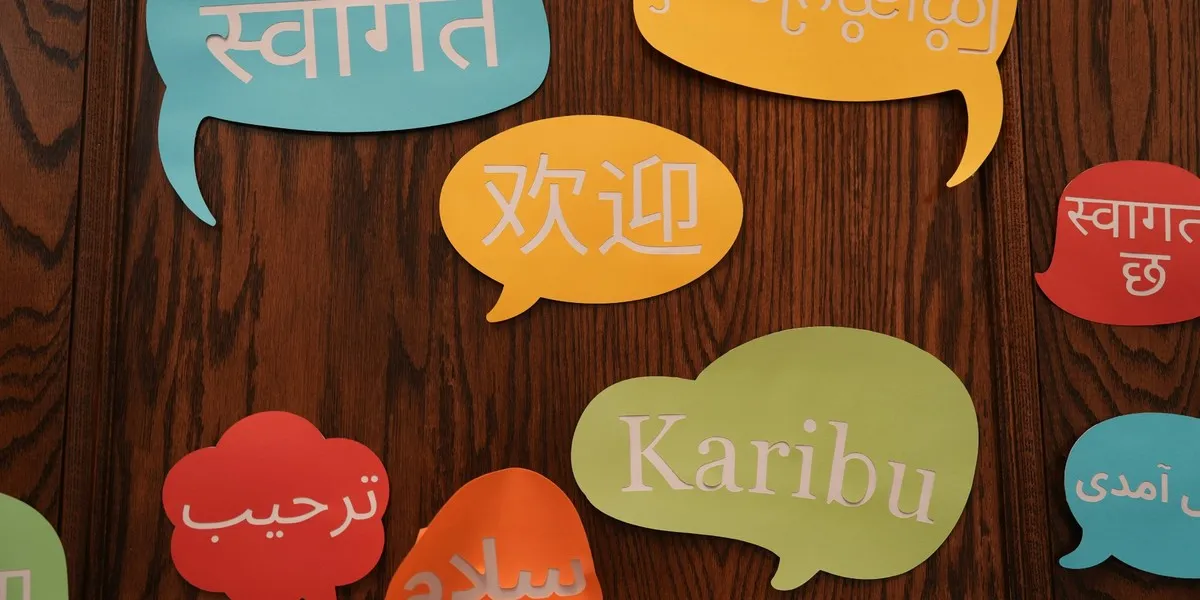
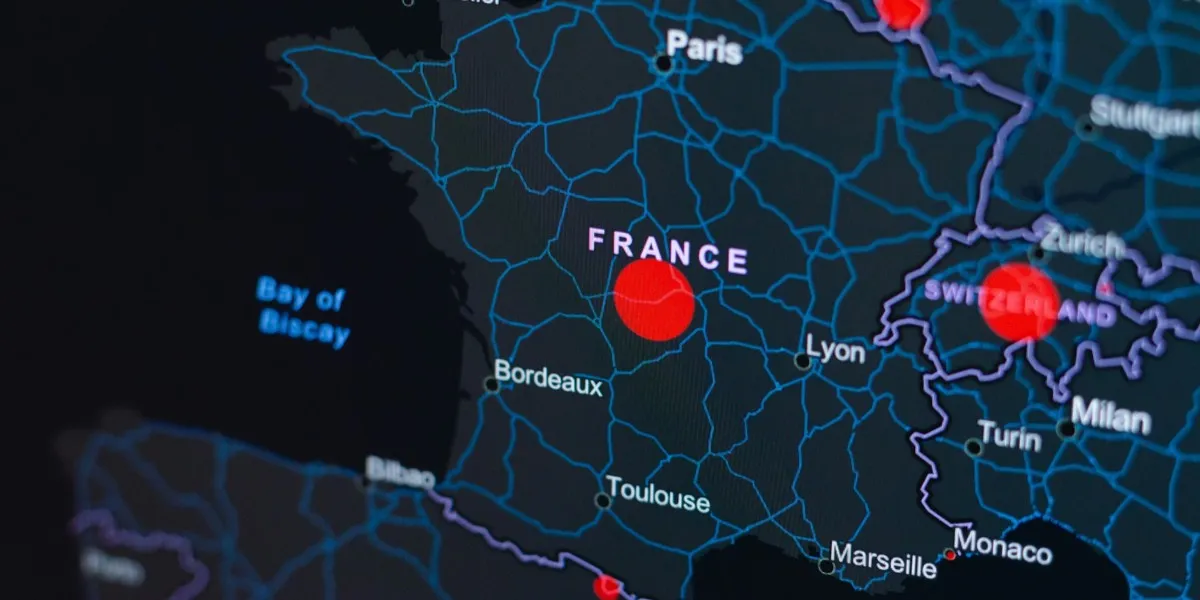
Localization in the Balkans: Bridging Cultural Gaps

The Balkans is one of Europe’s most complex regions for localization. Similar languages, different meanings, and deep cultural nuances translate alone not enough. This article explores how localization bridges cultural gaps and helps global content truly connect with Balkan audiences.

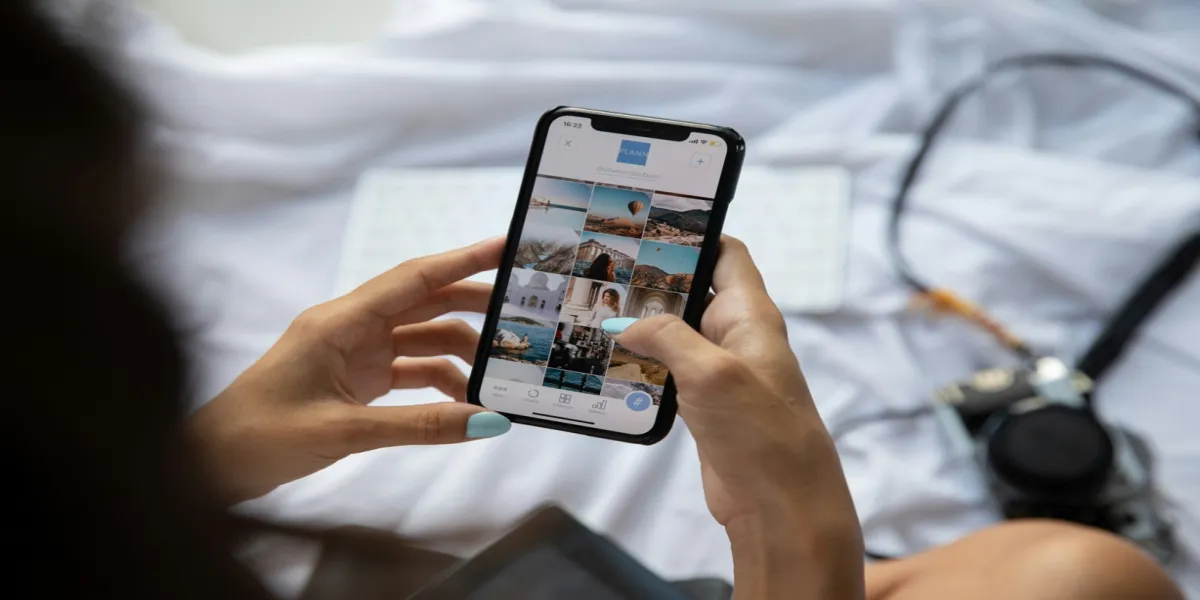
The Rise of Short-Form Video and Its Impact on Global Localization

Short-form video has transformed the way global audiences consume content and it is reshaping localization in the process. In just a few seconds, subtitles, voiceovers, and cultural nuance must work harder than ever to capture attention. As brands compete in a scroll-first world, localization is no longer just about translation it is about making every second feel native, relevant, and impossible to ignore.

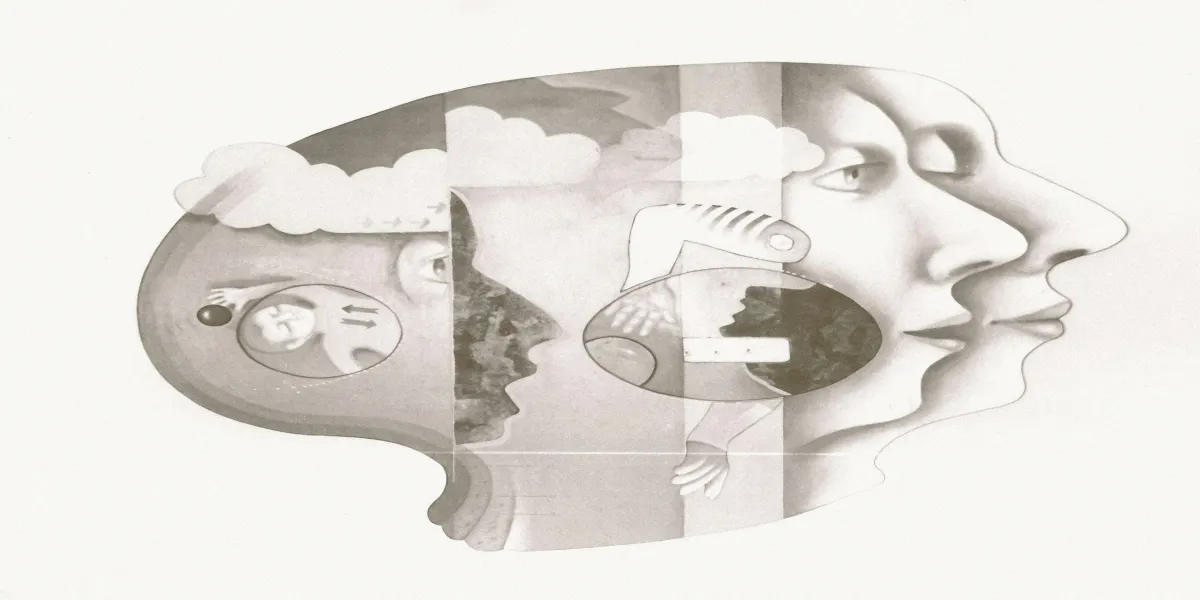
What Is Cognitive Dissonance and How Does It Affect Media Localization?

Why does a perfectly translated line sometimes feel “off”? Cognitive dissonance explains the mental friction we experience when what we see doesn’t match what we hear or expect. In media localization, this subtle clash can break immersion, affect emotional impact, and change how audiences perceive characters and stories. Discover how psychology shapes dubbing, subtitles, and global content and why “correct” isn’t always enough.

Why Is Non-English Content Gaining Popularity Worldwide?

Not long ago, if a show wasn’t in English, most viewers wouldn’t even click play. Fast forward to today, and Korean dramas, Spanish thrillers, and Nordic noir are dominating our screens and sometimes even our conversations at the coffee machine.

Media Localization Trends in 2026: What the Industry Is Watching

Media content is reaching global audiences faster than ever. Streaming platforms, gaming companies, and digital creators are releasing content across dozens of markets simultaneously, making localization an essential part of the production process. In 2026, the media localization industry is evolving rapidly. New technologies, changing viewer habits, and the growing demand for multilingual content are shaping how studios approach dubbing, subtitling, and adaptation.